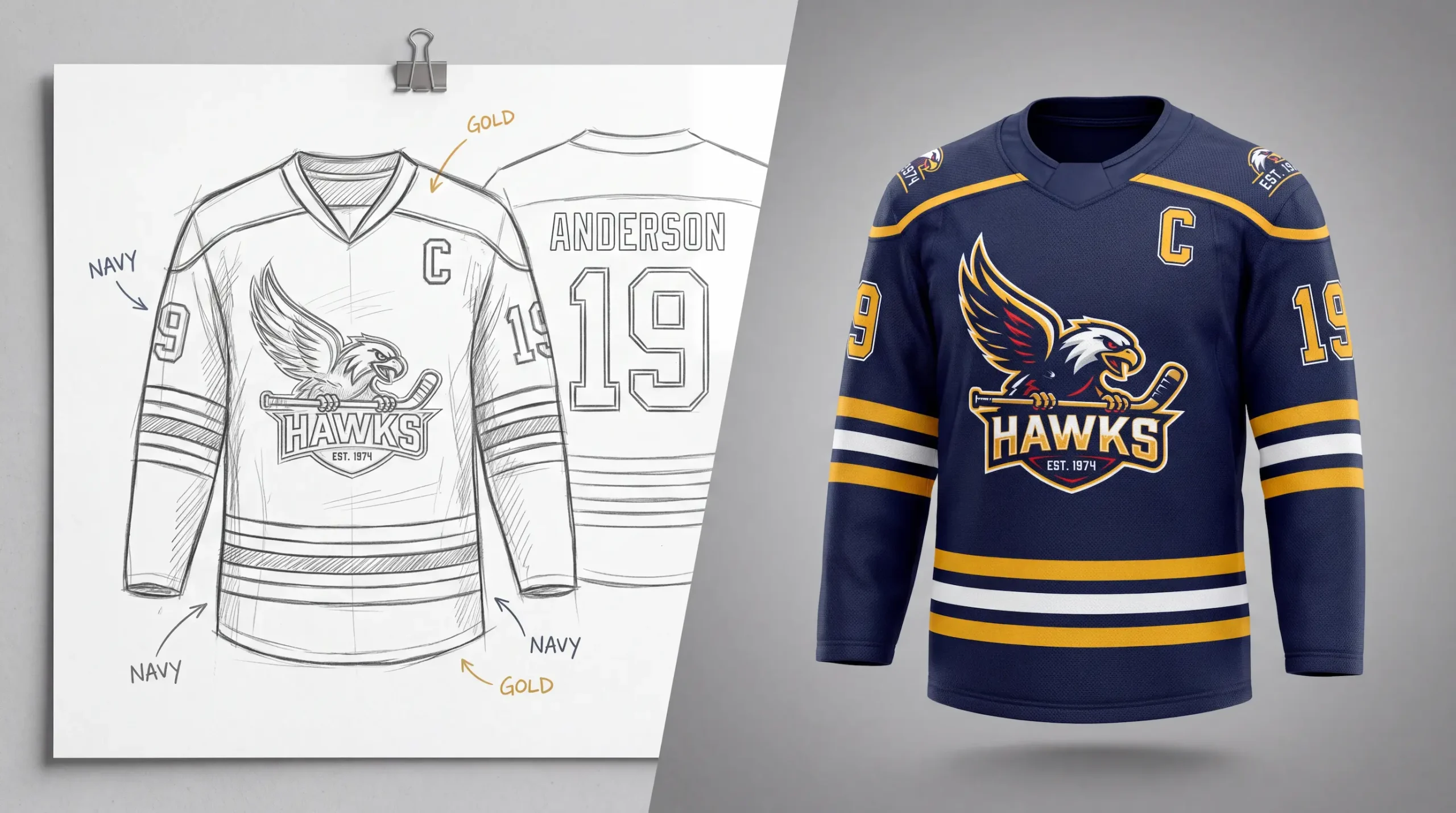
 Figure 1: Translating raw team artwork concepts into exact production-ready layout files at our Sialkot factory.
We've had orders sit on hold for days — not because of production, not because of shipping, but because a customer's logo file, sponsor art, or roster list simply wasn't ready yet.
TL;DR: Before you contact a manufacturer, have your logo (vector if possible, but a PNG or even a pencil sketch works), your exact team colors, any sponsor logos, and your roster names/numbers ready — that's what actually determines how fast this goes. From there, a real manufacturer should build you a free 2D mockup first (ours takes under 24 hours, sometimes minutes if you're online for the back-and-forth), and only move to a paid 3D simulation or sample once you've placed your order. Full breakdown below.
I get asked some version of "how do I even design this before I order" almost as often as I get asked about pricing or sizing. And it makes sense — most people have never ordered custom team apparel before, so they don't know what a manufacturer actually needs from them, what a "template" even means in this context, or whether they need a professional designer at all. Here's the honest, inside-the-factory version of that answer.
This Matters Whether You're Ordering 20 or Managing 200
It doesn't matter if you're a team manager placing a single order before the season starts, a league organizer juggling designs across multiple teams, or a reseller who's going to be doing this on repeat — the design stage is the same first hurdle for all three. The only difference is the stakes: get it wrong as a manager and you're stuck with one bad batch; get it wrong as an organizer or reseller and you're repeating that mistake across every team or every client order that follows.
What You Actually Need to Have Ready
This is the part nobody tells you, and it's the single biggest thing that speeds up — or stalls — your order. Before you message a manufacturer, have these four things ready:
- Your logo or crest as a file. Vector format is ideal.
- Your exact team colors. Color codes (Pantone or hex) if you have them — "navy and gold" works, but codes are faster.
- Sponsor logos, if you're placing them on the jersey.
- Your roster — names and numbers, in the format you want them printed.
I'm not saying this to sound bureaucratic. We've genuinely had orders held up purely because one of these four things wasn't ready on the customer's end. It's not a production bottleneck, it's a "we're waiting on you" bottleneck — and it's completely avoidable.
Templates, DIY Tools, and AI-Generated Designs vs. Working With a Real Designer
Here's where it gets interesting, because what people show up with varies a lot more than you'd think.
If you already have a vector file, that's the best-case scenario — it drops straight into our workflow with no extra prep. A PNG is workable, but our team has to convert it to vector before it's usable for sublimation.
And increasingly — this is a genuinely new pattern over the last year or so — people show up having generated a logo or design concept using something like ChatGPT, and all they have is a JPEG. That takes real work on our end: our team has to trace it, rebuild it as clean vector artwork, and then turn that into a proper mockup. It's more labor than starting from a vector file, but it's absolutely doable.
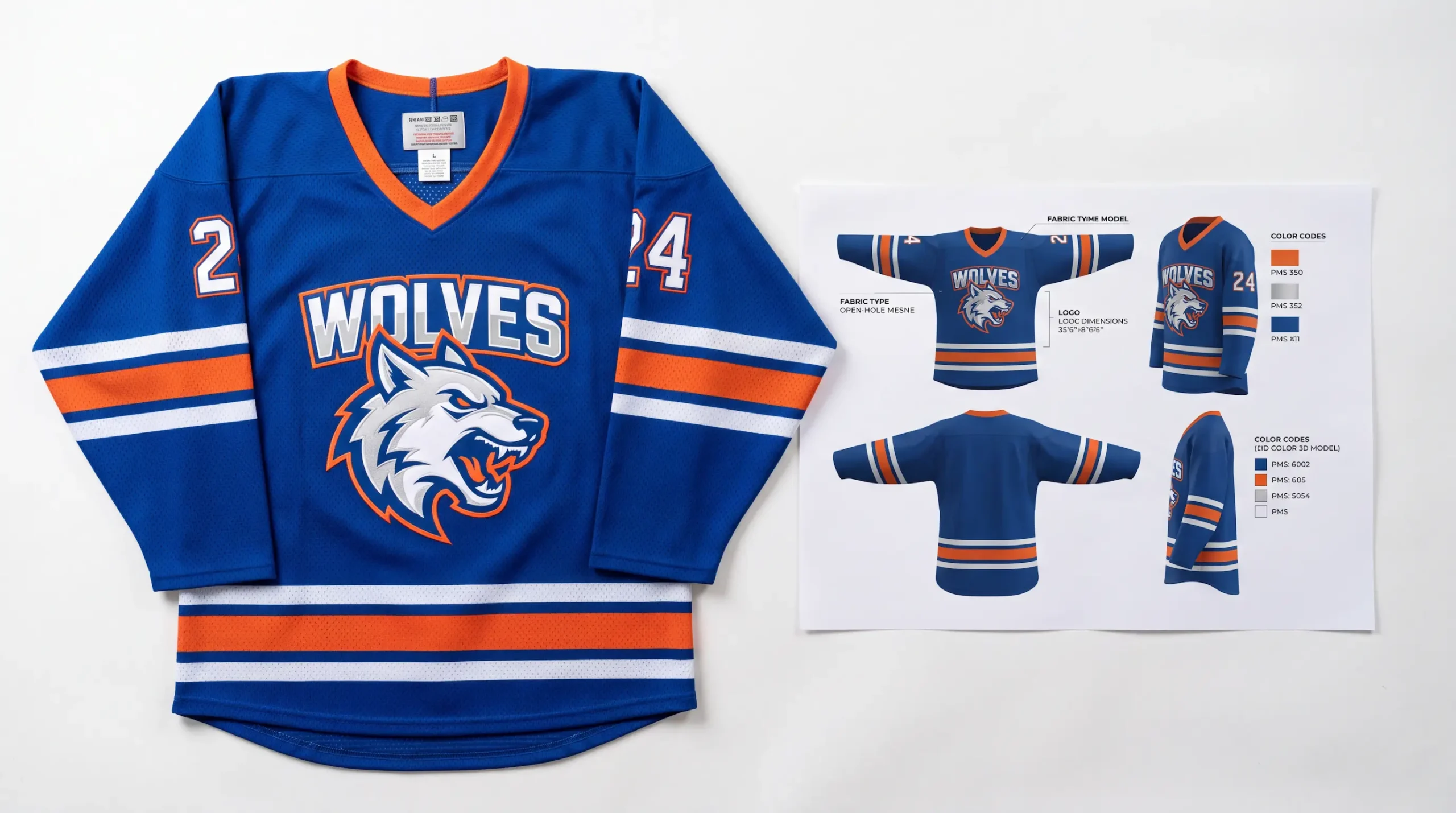 Figure 2: Rebuilding raw raster concepts into high-precision vector files before mapping onto CLO 3D digital apparel avatars.
Here's the thing though — even a pencil sketch works. We've built full designs starting from nothing but a hand-drawn sketch and a color idea. You don't need professional design software or a finished concept to start this process. Our in-house design team handles the actual construction either way, using Photoshop and Corel for the 2D layout work, and CLO 3D once you're ready to see it in a full 360° simulation. If you want the deeper explanation of how that CLO 3D step works and why it beats a flat mockup, I covered that in detail in what's the best website to order custom hockey jerseys — no point repeating it all here.
So no, you don't need a designer on retainer, and you don't need to be fluent in a design tool. What actually matters more than the tool you used is whether you send us something concrete to start from.
What Actually Happens After You Send It Over
Once we have your files (or your sketch), here's the real sequence:
- 2D Layout Construction: Our design team builds your 2D layout in Photoshop or Corel.
- Free Initial Mockup: We send you a free mockup — no charge, no commitment — so you can see the concept.
- Rapid Revisions: You approve it, or send revisions. This part moves fast: the full cycle from first draft to final approved mockup typically takes under 24 hours, and if you're online and responsive, it can genuinely come down to minutes between rounds.
- 3D Pattern Simulation: Once you move forward with an order or a sample, we build the full CLO 3D 360° simulation, which is where sizing, logo placement, and name/number positioning all get locked in against the real jersey pattern.
That free-mockup-first approach matters — it means you're not paying anything just to see whether your idea works visually before you've committed to anything.
Where Hockey-Specific Design Snags Show Up
A design that looks perfectly fine as flat artwork doesn't always translate cleanly onto an actual jersey — a crest can distort across a curved shoulder yoke, stripes can misalign from the front panel to the back, and name/number sizing that reads fine flat can behave differently depending on whether it's sublimated or done in tackle twill. This is exactly why the CLO 3D step exists — it catches these issues before anything's cut, not after. (If you're specifically worried about how a design sits over goalie or player pads, I go deep on that in how to size custom hockey jerseys over pads — that's a fit question more than a design one, so it gets its own post.)
Where the Sample Piece Fits Into the Design Process
Once your 2D mockup and CLO 3D simulation are approved, you've got a choice: move straight to your full bulk order, or get a single physical sample made first. That's entirely up to you — some customers feel confident enough after the 3D simulation alone, others want to physically hold the jersey and check the print and fit before committing to a full run. Either way, the sample is built from that same approved design file, not a separate process.
One thing worth knowing: for clients with real bulk potential, we sometimes offer to credit back a percentage of the sample cost once they approve the sample and lock in the bulk order — it's our way of removing the risk from that first step for a customer we expect to keep working with. For the actual sample pricing, that's laid out in the hockey jersey manufacturing cost guide, so I won't repeat the numbers here.
Marketplaces, Resellers, and Overseas Suppliers: Where Design Support Actually Differs
This is where I'll be direct: the design/mockup stage is exactly where a lot of the cheaper ordering routes fall short. A print-on-demand marketplace usually just wants a file uploaded — there's no real design team looking at whether your logo will distort on a curved panel or whether your stripe widths will line up front-to-back. Resellers and middlemen are often just relaying your file to whoever's actually manufacturing it, so any back-and-forth on the design takes longer because you're not talking to the people actually building it. And plenty of generic overseas suppliers will happily take your file and go straight into production without ever showing you a real simulation of the finished product.
None of that is necessarily dishonest — it's just a different level of service. But I've seen enough customers regret not communicating more about their design before production, only to end up with something they didn't picture at all. Working directly with a manufacturer that has an actual design team, and that insists on mockup approval before anything's cut, removes almost all of that risk.
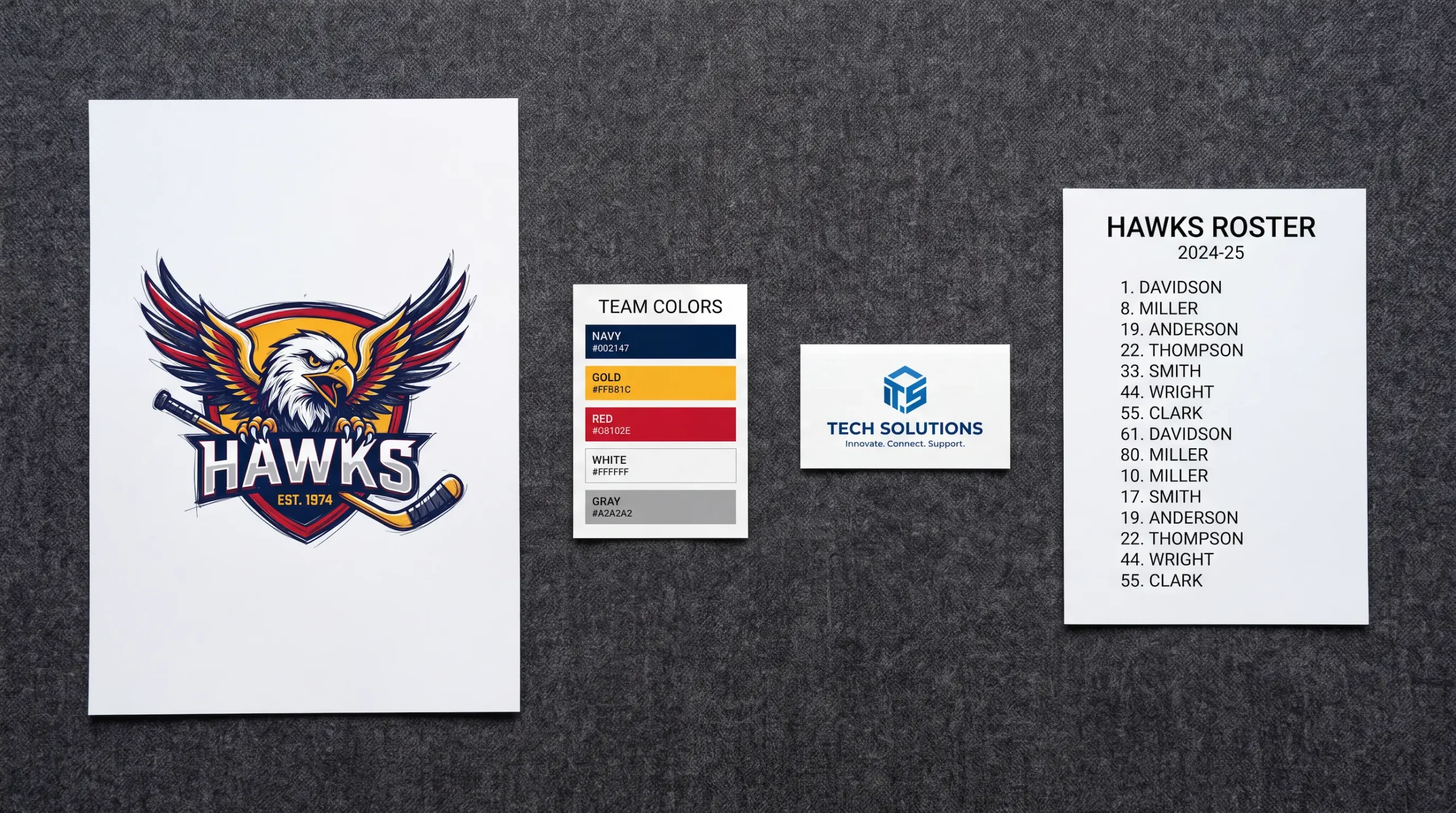 Figure 3: Conducting physical fabric color sampling and initial sample checks to eliminate print mismatches prior to bulk runs.
A Real Example: Building a Design From Just a Sketch
One of the clearer examples of this process working the way it's supposed to: a customer came to us with nothing but a hand-drawn sketch and a general idea of the colors he wanted. Rather than guessing at the exact shades, our team did color sampling first and sent over a video along with some images so he could actually see and choose between the options. Once he picked his colors, we built the full design around that — and the whole thing went smoothly from there. It's a good example of why we don't turn anyone away for not having a "real" design file yet — the sketch and a color preference was genuinely enough to start.
Getting Started
If you're ready to move on this, here's literally what to send us: your logo file (vector, PNG, or even a photo of a sketch), your team colors, any sponsor logos, and your roster names and numbers. We'll turn that into a free mockup — typically within 24 hours — and from there you decide whether to revise, move to a sample, or go straight to your bulk order.
Get Your Free Design Mockup
Send over your logo, colors, and roster details. We'll build your first mockup within 24 hours, at no cost.
Lethletic Sportswear is a custom sports apparel manufacturer based in Sialkot, Pakistan, shipping premium sportswear to 50+ countries. Minimum Order Quantity: 20 pieces.