
Never measure a player while they're wearing pads — measure an existing jersey flat, or take a bare chest measurement and let the pattern's built-in "ease" do the rest. A goalie cut is a completely different pattern from a player cut (wider chest and sleeves, squared-off hem), not just a bigger size — mixing the two up is the #1 sizing mistake teams make. Full ease measurements and both sizing methods below.
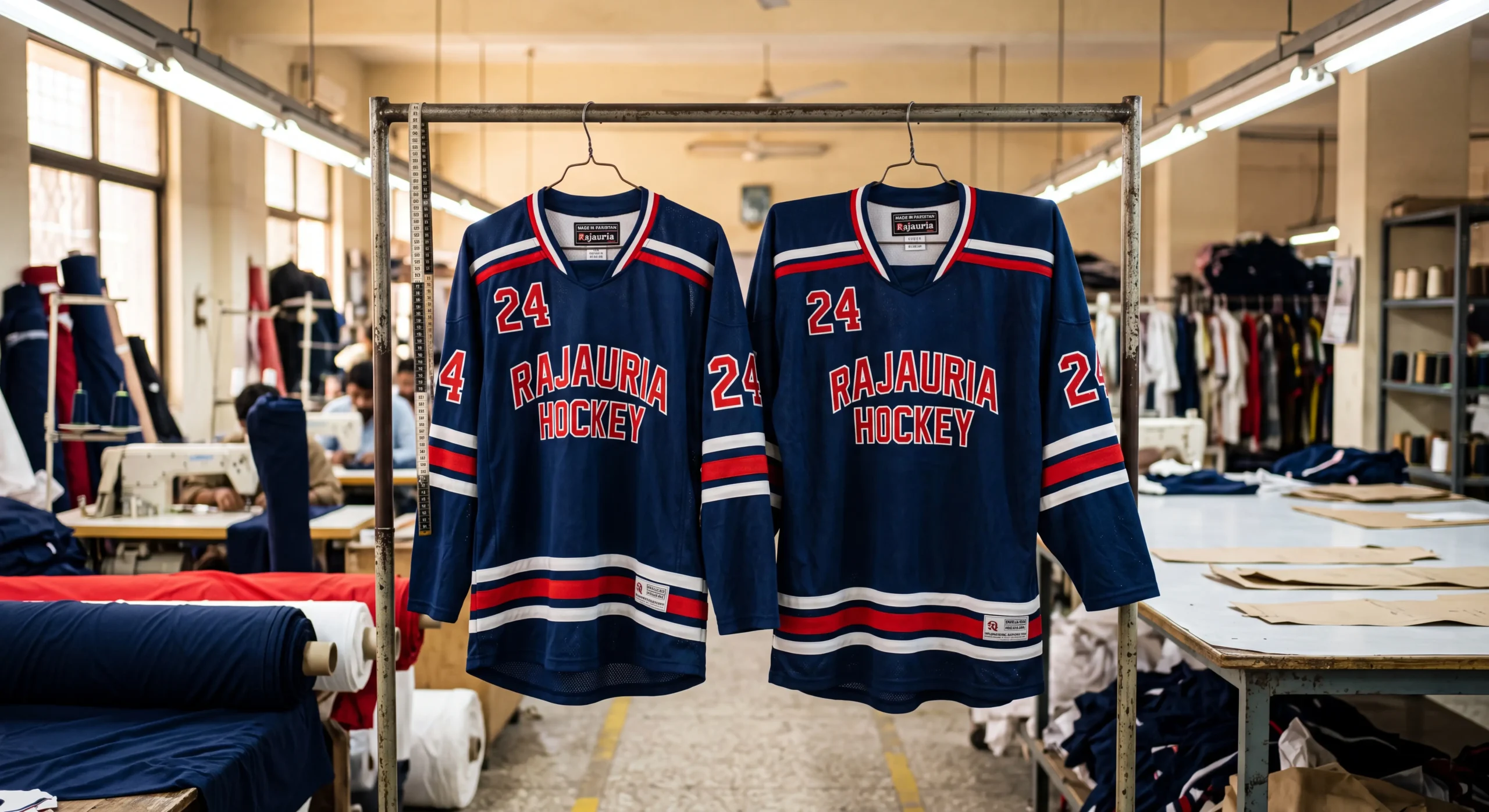 Figure 1: Professionally graded custom hockey jerseys engineered on-site to balance padding volume with absolute player mobility.
Sizing a hockey jersey isn't like sizing a t-shirt, and every team that treats it that way ends up with a locker room full of jerseys nobody can actually play in.
After two decades of building custom on-ice jerseys here at our Sialkot factory, I can tell you the two things that trip up almost every team manager: assuming a bigger player-cut jersey works fine for goalies, and trying to measure players while they are wearing their pads. Both are massive mistakes. Here is how to size hockey jersey over pads accurately so your squad looks unified and moves fluidly across the ice.
Player Cut vs. Goalie Cut: Two Completely Different Patterns
A player cut is carefully contoured to move with a skater—long, slightly tapered at the waist, and structured to stay entirely out of the way of stick movements. A goalie cut is not just a scaled-up version of that standard profile. It is a completely distinct pattern built from scratch like a square box.
When we alter these patterns on our factory floor, we shift the foundational geometry across three critical zones:
- The Sleeves: Goalie sleeves are dramatically wider from the shoulder down to the wrist to clear bulky arm and chest guards. However, we cut them shorter than standard player sleeves so the excess fabric doesn't bunch up around the blocker and catch glove cuffs.
- The Chest and Armholes: Goalie chest armor adds massive volume. We widen the core chest panel and drop the armholes significantly lower. This keeps the jersey from constricting across the torso or pulling tight when making reflex glove saves.
- The Torso Hem: Skater jerseys feature an elongated, tapered drape to stay aerodynamic. Goalie cuts are completely squared off at the bottom hem so the fabric doesn't snag or bind up against the leg armor when dropping into a butterfly stance.
A player cut is long and tapered over standard pads; a goalie cut is a wide, short-sleeved box. Treating them as identical patterns in a larger size tier is exactly where most team sizing disasters begin.
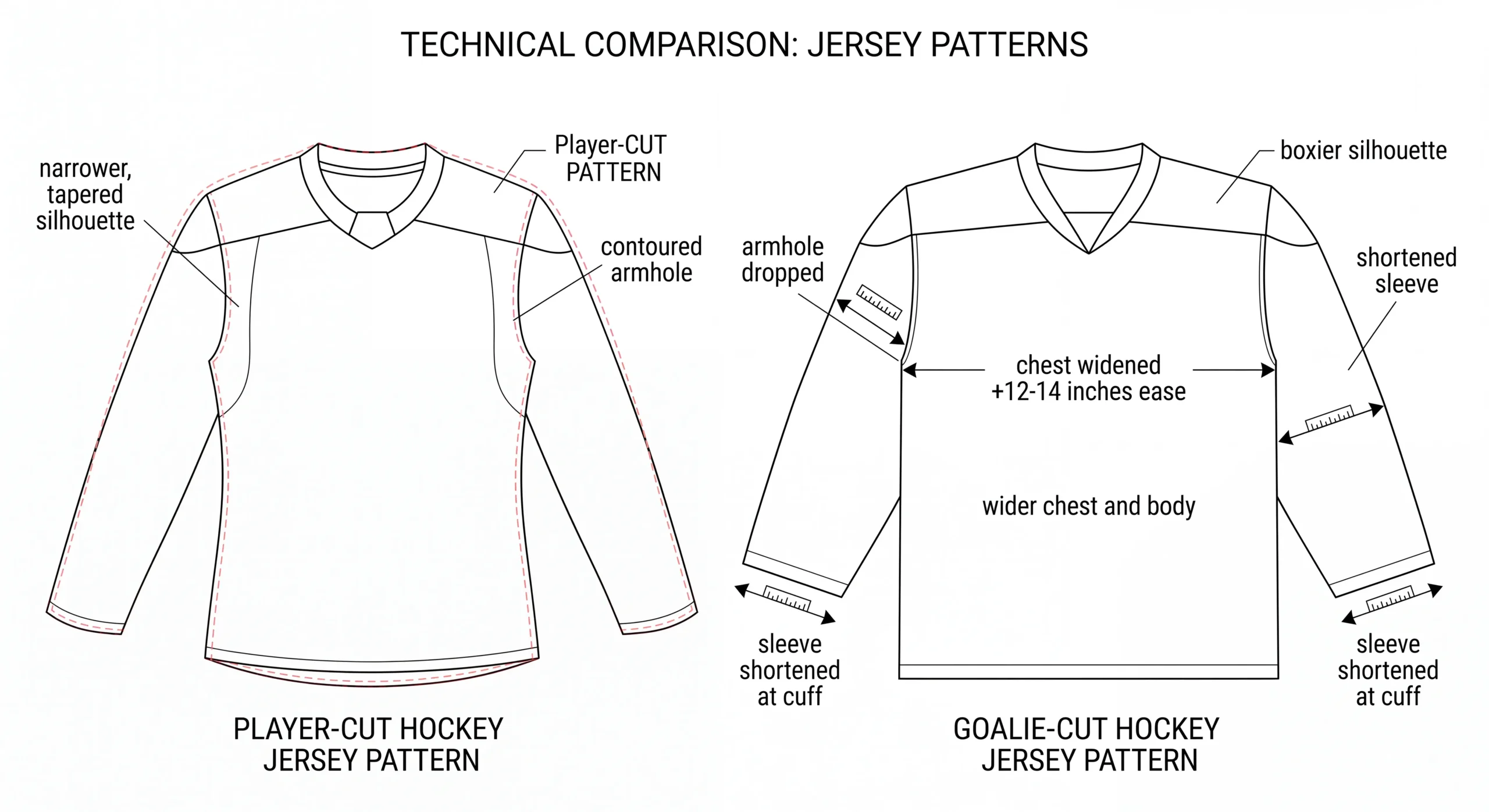 Figure 2: Our factory blueprint overlay showing the structural widening and dropped armhole adjustments required for true goalie-cut patterns.
Never Measure a Player While They're Wearing Pads
This is the absolute baseline rule we repeat to every client: never put a flexible tape measure over a player wearing full protective gear. On-body protective gear shifts, compresses, and varies wildly in thickness across brands and model generations. Attempting to wrap tape around moving plastic caps results in inconsistent data every single time.
Instead, we guide managers through two highly reliable factory sizing workflows:
Method 1: The Flat Jersey Trick (The Gold Standard)
Have your players track down an existing on-ice jersey (like a worn practice jersey) that already fits comfortably over their current equipment line. Lay it completely flat on a clean table and measure two key spatial specs: the chest width (measured pit-to-pit directly beneath the armhole seams) and the back length (measured from the top collar seam straight down to the lower hem). Send us those dimensions, and we will cross-reference them directly against our active production cut lines.
Method 2: The Bare Body Method
If an existing reference jersey isn't available, have the player measure their actual bare chest circumference snugly against their skin, along with their height. Do not calculate extra buffer inches yourself! Our custom apparel patterns are built from the ground up with structural "gear ease"—meaning our production software automatically scales the clearance required based on player positions.
How Much "Ease" Is Built Into the Pattern?
The exact amount of breathing room required depends heavily on the specific style of armor your club operates in. We manage this calculation across three separate performance tiers:
| Equipment Style / Position | Necessary Ease (Garment Over Bare Chest) | Performance Purpose |
|---|---|---|
| Modern Low-Profile Pads | 4 to 6 Inches | Keeps the silhouette streamlined for lightweight, form-fitting composite gear. |
| Old-School Bulky Pads | 6 to 8 Inches | Prevents upper back binding during deep extension movements and heavy hits. |
| True Goalie Chest Armor | 12 to 14 Inches | Vital operational space allowing high-density foam wings to shift freely. |
Where Bad Sizing Restricts Your On-Ice Performance
Poor fitment isn't merely an aesthetic issue on the bench; it directly impacts mechanical execution during crucial turning points in play:
- The Slapshot Binding Effect: When a jersey pattern is cut too narrow across the upper back panels or carries shallow armholes, the fabric hits its maximum tension limit the instant a defenseman pulls their stick back into a full wind-up. Fighting the physical resistance of their own uniform strips away power and shortens total reach.
- The Torso Ride-Up: If the mid-section width is too narrow, upward arm extension pulls the lower hem of the jersey upward over the edge of the hockey pants, leaving it wedged in the protective gap and forcing the skater to awkwardly pull it down between shifts.
- The Goalie Butterfly Trap: This is the single most costly error on the ice. When a goalie wears a standard, elongated player cut, the long hem hooks on the top plastic rims of their leg pads when dropping into position. If they flash their glove arm up to catch a puck simultaneously, the pinned jersey drags the arm down, creating a mechanical block that can cost a goal.
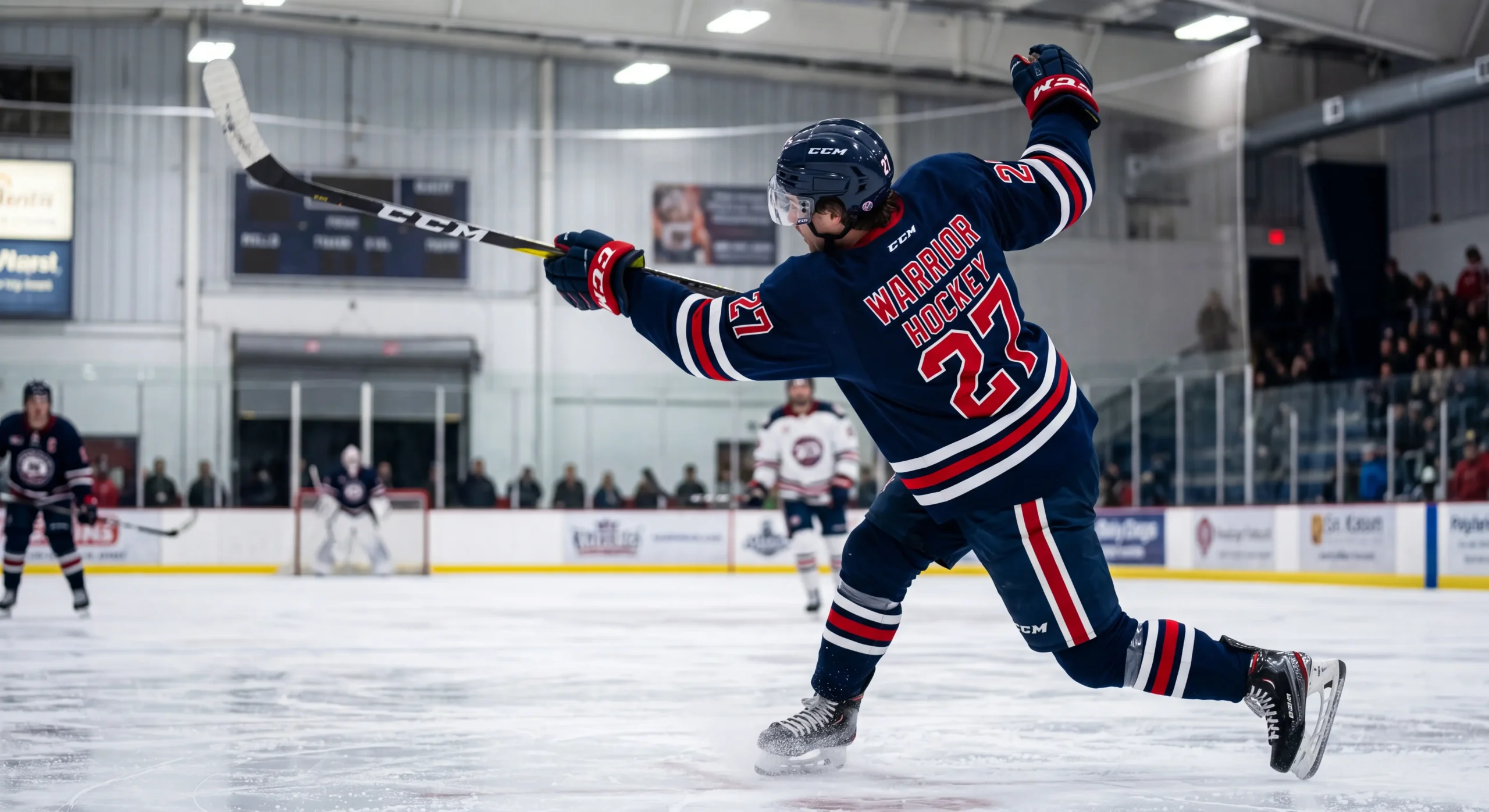 Figure 3: Proper upper-body clearance ensures complete extension without back binding or sleeve pull during aggressive play.
A Real Example: The Chicago Rec League Fix
Last season, an adult rec club out of Chicago submitted their team roster to us, designating standard "Player XL" and "Player XXL" profiles for their two rostered goalies. They operating under the common assumption that simply selecting a massive player profile would yield enough volume to clear goalie armor.
Because our production team analyzes pattern scaling daily, we flagged the order instantly. A scaled-up skater pattern maintains a narrow, tapered wrist line and a slim body block—completely unusable for a modern goalie protector. Had we executed the print file as sent, those goalies wouldn't have been able to squeeze the garment past their elbows.
We messaged the team manager over WhatsApp, explained the structural bottleneck, and utilized our CLO 3D layout suite to project a digital overlay comparing their raw choice against a verified Goalie Cut pattern on an armored model. We immediately converted those slots to true Goalie Cuts. When the shipment landed, both goalies had total range of motion for deep glove-hand saves, sparing the organization thousands of dollars in replacement production costs.
Sizing a Diverse Roster Without Individual Guesswork
Avoid the habit of routing a standard clipboard asking players for their casual "t-shirt sizes." A lean 6'2" defenseman and a broad 5'9" stocky forward may share an identical lifestyle apparel tag, but they require radically distinct dimensions over physical equipment on the ice.
Our favorite operational shortcut for managers is deploying a physical **3-jersey sizing kit** containing unprinted Medium, Large, and XL samples directly to the rink. Players throw these blanks over their game pads at a routine practice session, pinpointing their true fit line in under thirty seconds. If your timelines are too compressed for a physical kit, sort by chest width for tall, lean athletes (our cuts feature natural length extensions) and scale upward for torso bulk on heavier frames—knowing we can tailor sleeve lengths down directly on the factory floor.
Why We Simulation-Test Every Order in CLO 3D
Flat grids provide static lengths, but they completely fail to show how dynamic fabric reacts over three-dimensional armor structures. To remove that element of chance, our design team translates every layout onto padded digital avatars inside CLO 3D design software prior to finalizing production.
As we detailed in our master guide on choosing the best custom hockey jersey website, this specialized modeling stage allows you to observe how custom vector logos and striping panels wrap around chest structures without pixel stretching. It maps fabric tension hot-spots and secures accurate nameplate visibility. Because padding completely alters the way a jersey hangs, evaluating the artwork in a simulated 3D space ensures your custom numbers don't slide into the waistband or tuck beneath the arms during a full skating stride. For a complete look at accurate name and number spacing metrics, review our breakdown on getting custom names and numbers on hockey jerseys.
Material Integrity: Built to Withstand Pad Abrasion
A perfect fit means very little if your base materials fail under physical stress. Hockey protective gear features jagged plastic caps, heavy nylon edging, and intense hook-and-loop Velcro closures that constantly grind against the internal face of the jersey with every extension. Light, generic retail mesh fabric will pill, snag, and blow its seams within a handful of games under those conditions.
Whether you are outfitting a local league or an elite program—as outlined in our hockey jersey manufacturing cost guide—durability remains paramount. Because we process our entire textile operation from raw yarn knitting to final seam closure inside our specialized Sialkot facility, we build every game-tier hockey jersey with **reinforced double-layered shoulders and double-layered elbows as an absolute factory standard.** We ensure the interior face is equipped to withstand severe structural friction, protecting your vibrant external sublimation print across multiple seasons.
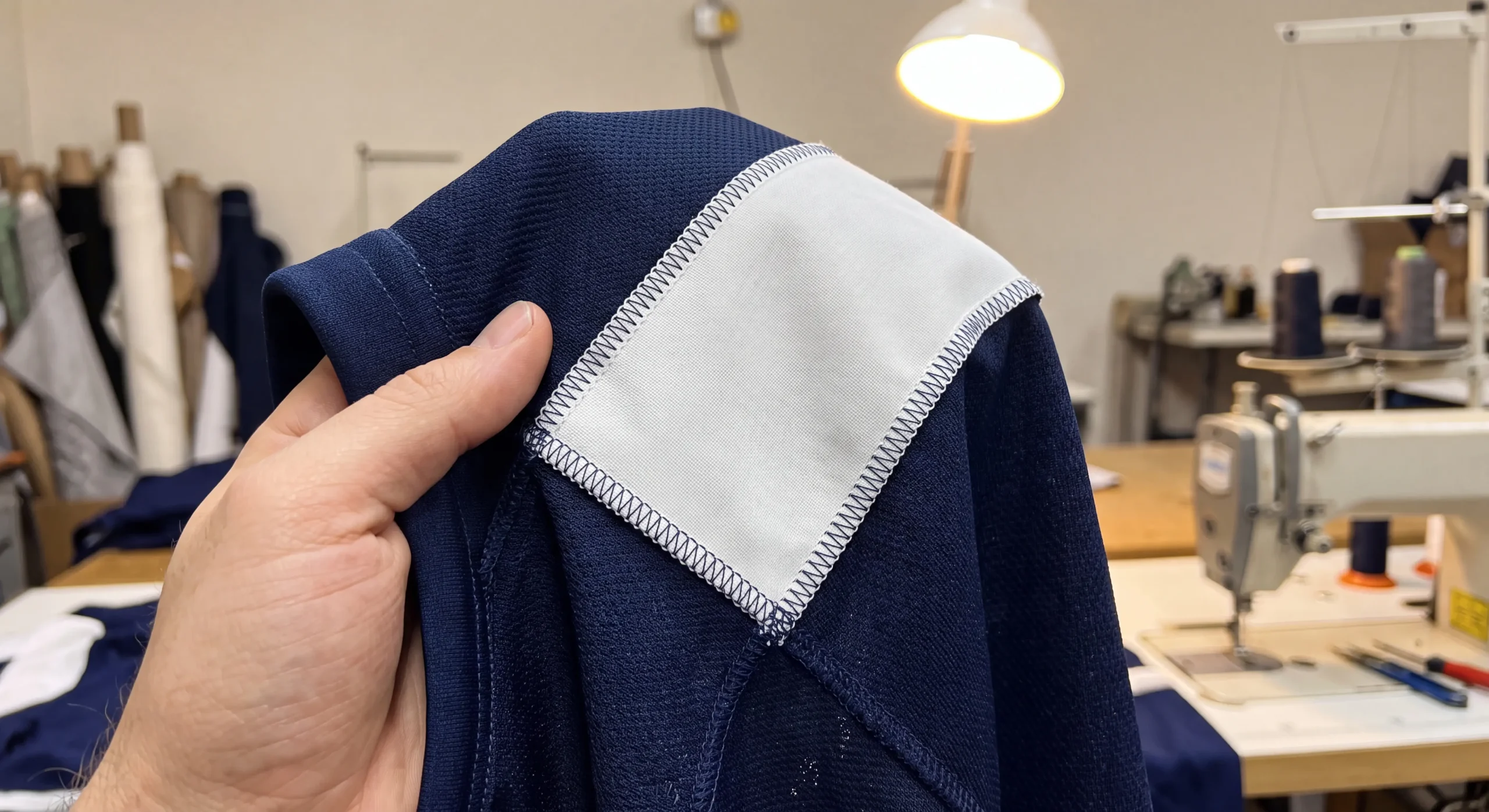 Figure 4: Macro close-up of our high-density interior reinforcing layers, engineered to block internal pad abrasion and prevent seam failure.
Get Your Club Fitted Correctly from Day One
You don't need to master apparel grading or complex pattern design to secure a professional outcome for your club—our production team assumes all technical alignment tasks for you.
Here is how we streamline the onboarding process from the start:
- Step 1: Initiate Contact – Message our production line directly via WhatsApp or our secure portal with your approximate roster counts (skaters vs. goalies) and branding assets.
- Step 2: Interactive 3D Evaluation – We generate an interactive CLO 3D environment mapping your artwork layout over a digital padded frame so you can audit the look from every angle.
- Step 3: Concrete Fit Validation – We will package and dispatch physical sample blanks to your arena for full-gear test fittings, or guide you step-by-step through our flat-pattern measurement trick.
Let’s cooperate to assemble a custom team kit that looks exceptional, survives heavy board battles, and provides your roster with the unrestricted mobility required to control the puck.
Get Your Custom Layout & Quote
Send over your estimated roster numbers, sizing preferences, and emblem artwork. We build comprehensive 3D visual mockups and commercial factory quotes within 24 hours.
Lethletic Sportswear is a professional custom athletic apparel manufacturer based in Sialkot, Pakistan, exporting high-performance sportswear to over 50 countries worldwide. Minimum Order Quantity: 20 units.